Melanie Girdlestone
Office: Frohschammerstr. 14
80807 München
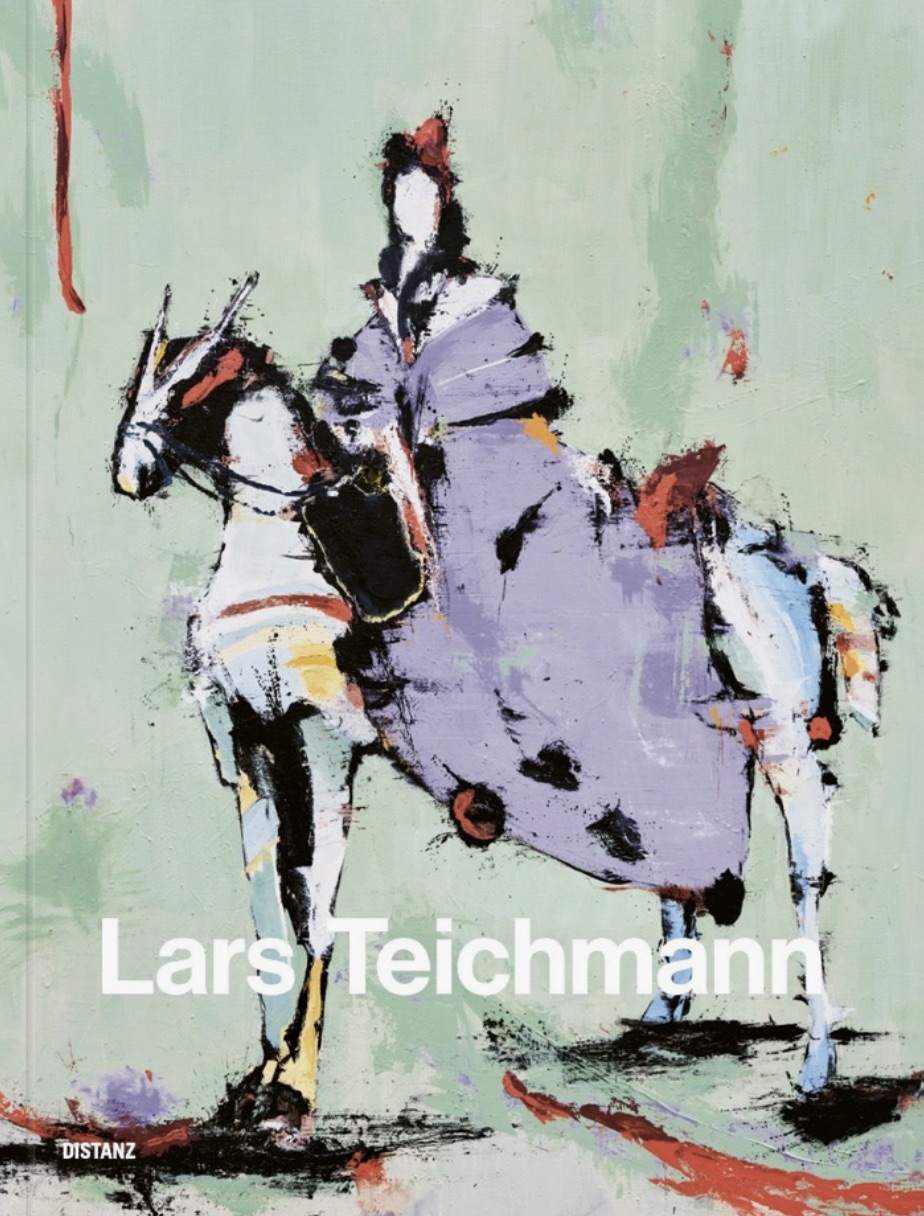
Heinz Stahlhut’s essay sets the scene of Lars Teichmann’s painting La Danse with a plethora of poetic devices. The first two sentences alone offer more than enough food for thought:
“Da ziehen sie hin, Männer und Frauen, mit hochgereckten Armen, man meint das Jauchzen, das schrille Pfeifen der Flöten und das Scheppern der Becken zu hören! Alles ist in Bewegung, und sei es ein Hinstürzen und dabei Andere mit sich Reißen.”
My translation:
“There they go, men and women rushing by, arms aloft. You can almost hear their whooping, the shrillness of the flutes and the crashing of the cymbals. Everything is in motion, tumbling headlong, tearing others along in its wake.”
Poetic devices are often difficult to reproduce exactly in English, but in my translation, I found other ways to reflect them: “whooping” (“jauchzen”) and “crashing” (“Scheppern”) pick up on the onomatopoeia of the German. The repetition of vowel sounds in phrases like “Scheppern der Becken” (crashing of cymbals) is echoed in “whooping” and “flutes”. The rhythm and consonance of “rushing” and “crashing” are reflected in “Pfeifen der Flöten” (shrillness of the flutes).
The near-rhyme of “rushing” and “crashing” in the first two sentences closely connects the two words aurally as they foreshadow the dynamic, almost uncontrolled movements of the dancers that Stahlhut describes next: the repetition of t-sounds in “tumbling” (“Hinstürzen”) and “tearing” (“Reißen”) heightens their impact, almost exploding in the mouth. The abundance of continuous forms (-ing) suggests the simultaneity of actions, reinforcing the sense of chaos and cacophony.
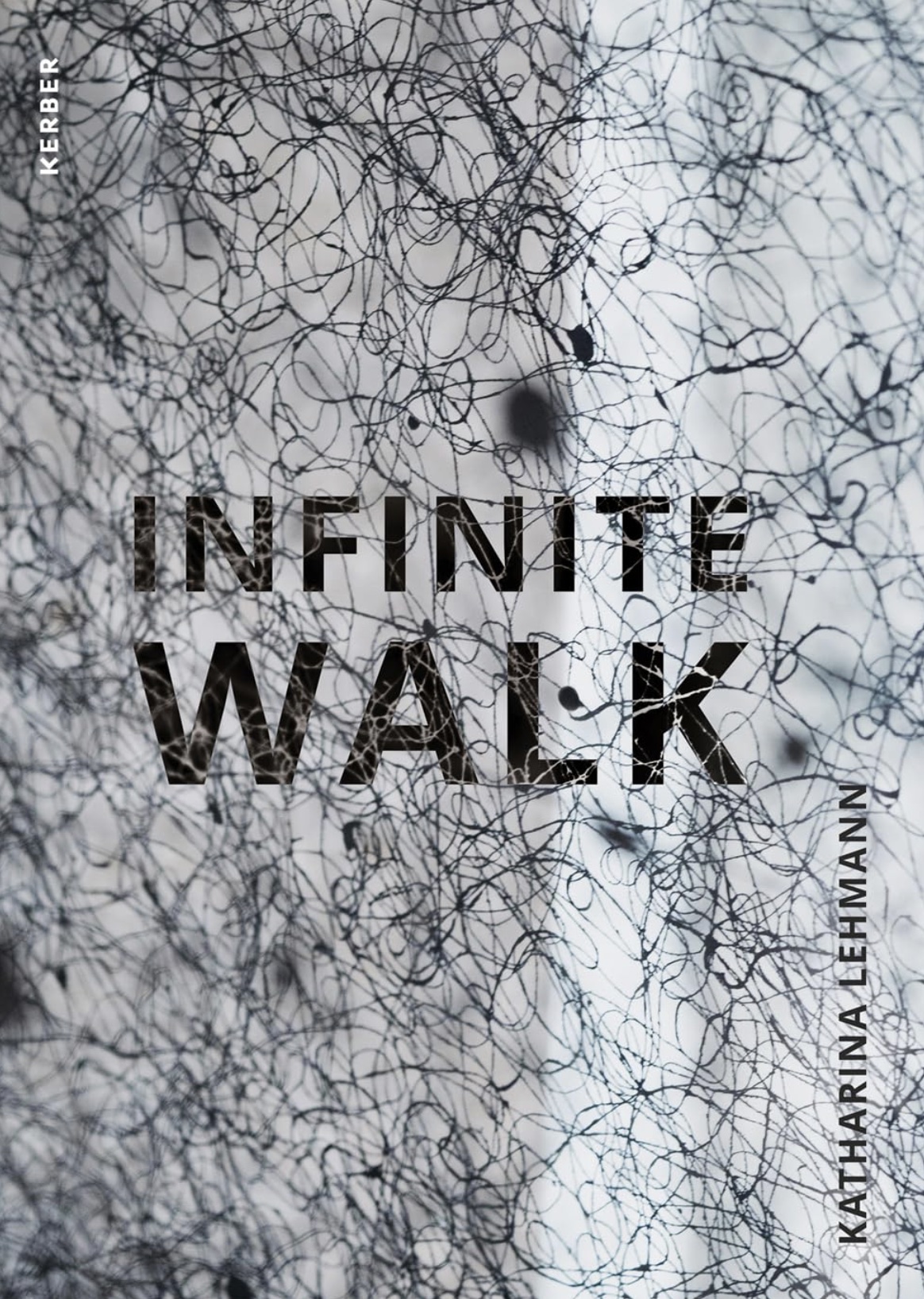
In INFINITE WALK, Anna Wondrak describes the methodology of the artist Katharina Lehmann with empathy, sensitivity and clarity. Here’s a sentence about Katharina‘s technique:
“Bahn für Bahn füllt sich so der Boden langsam mit einem zarten Geflecht aus sich überlappenden, mit Farbe getränkten Fäden, die Kreise bilden und Kringel, Kreuzungen und Überschneidungen.”
And here’s my translation:
“Toing and froing, she gradually fills the floor with a delicate web of paint-soaked, overlapping thread that forms circles and loops, criss-crosses, and doubles back on itself.”
“Toing and froing” picks up on the zig-zagging described in the previous sentence (not shown here) and conveys the systematic movement of the artist in her studio. I translated “langsam” (normally: slowly) as “gradually” to reflect the progressive nature of Katharina’s artistic process. For “Geflecht” (normally: tissue, network, meshwork), I chose “web” for its more delicate and organic qualities but also because her creations perhaps reflect the fragile beauty of a spider’s web – itself the result of a long and solitary process.
In “paint-soaked, overlapping thread”, I have changed the order of the individual elements in the German text to create a more natural-sounding solution in English.
The alliteration and rhythm of “Kreise” (circles), “Kringel” (loops) and “Kreuzungen” (intersection) were difficult to reproduce exactly in English, but in my translation “criss-crosses” (for “Kreuzungen”) picks up on the “kr”-sounds of the German words. Coupled with “circles and loops”, “criss-crosses” sustains the “s”-sounds across the three expressions to group them in the same ways as their “kr”-sounds in German do.
The noun “Überschneidungen” (overlappings) becomes a verb phase in English: “doubles back on itself” expresses overlapping, motion and looping.
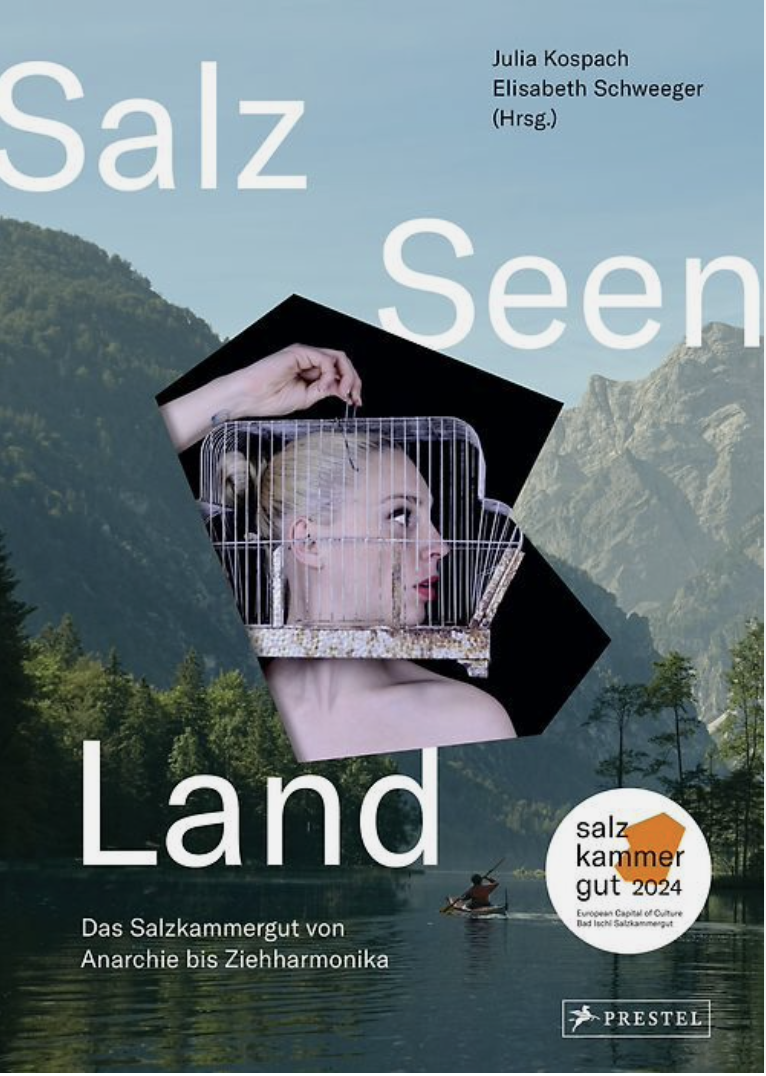
Mareike Fallwickl’s powerful short story “Da können die Männer nicht hin” (The Place No Man Can Get To) appeared in the book Salz Seen Land, published to mark Bad Ischl/Salzkammergut’s status as European Capital of Culture 2024.
My translation starts like this:
“Since Maridi has been pretending to be crazy, she’s had her peace and quiet. And when you’re looking inwards, peace and quiet matters. Because inside a person it’s quiet. It’s where their soul lives, and it’s sensitive. Maridi’s done with the sun rising and setting, and with the babbling brook and the hikers who come up specially for a brettljause of cold cuts and cheeses, for a break from their everyday lives. When there were lots of hikers, Gruber Hans would say: Get a move on, Maria, you stupid woman! You’re in my way! And he’d laugh. Whereas in actual fact, Maridi could make the sweet, shredded pancakes for a kaiserschmarrn much faster than him. And hers were tastier too.”
To capture Maridi’s inner voice, I used idiomatic expressions. “Had her peace and quiet”, for example, expresses relief, while “done with the sun rising and setting” suggests resignation. Maridi’s sense of closure also comes across in my grammar choices: in “Gruber Hans would say”, “would” implies a repeated action in the past that no longer happens.
Because of the background to Salz Seen Land, I thought it important to preserve as much local colour as possible, so I retained expressions such as “brettljause” and “kaiserschmarrn” throughout my translations for the book and wove in explanations to go with them.
Fallwickl’s original reads:
“Seit die Maridi so tut, als wäre sie verrückt, hat sie ihre Ruhe. Die Ruhe zu haben, ist beim Nach-innen-Schauen wichtig, weil es in einem Menschen drinnen leise ist. Die Seele wohnt da und ist empfindlich. Die Maridi hat abgeschlossen mit der Sonne, die aufgeht und untergeht, mit dem Bacherl, das sprudelt, mit den Wanderern, die raufkommen wegen der Brettljause und der Auszeit vom Alltag. Wenn es viele Wanderer waren, hat der Gruber Hans gesagt: Tu weiter, Maria, du Gfrast, was stehst mir im Weg, und gelacht hat er. Dabei hat die Maridi viel schneller einen Kaiserschmarrn machen können als er, besser geschmeckt hat der auch.”
I hope I did it justice!
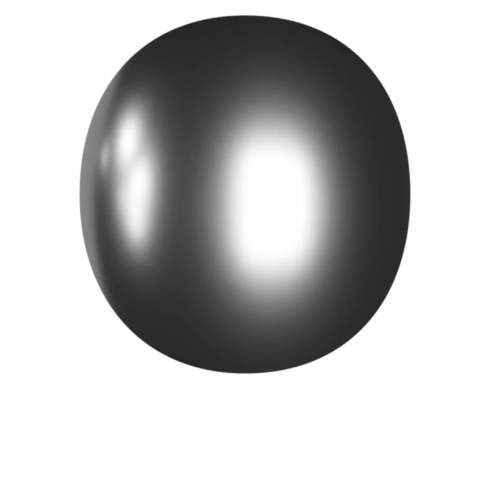
A labyrinth. In the middle of the empty, artificial-lawn-covered church floor stands a firepit containing 10,000 pearls. Outside is a walled garden. Simple as they seem, the individual constituents of the artist Birthe Blauth’s Poem of Pearls carry layer upon layer of meaning.
For me as an art translator, getting to grips with the German catalogue texts meant engaging with different systems of understanding. The objects were interpreted through various lenses: sociology, art history, mythology, iconography, Christianity, pre- and non-Christianity, the medieval mind and, not least, the present day. By crystallising these perspectives in my mind, I was able to weave them together to create coherent and meaningful English translations.
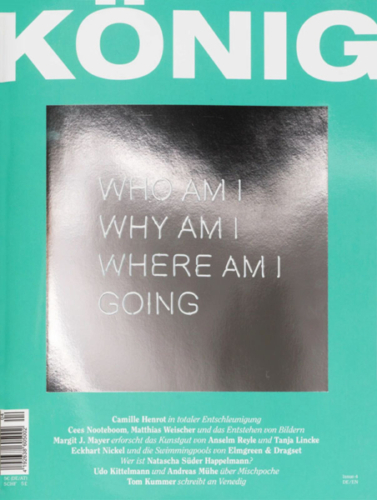
I first had the privilege of translating exhibition, magazine and blog texts for KÖNIG Galerie in 2018 and love the challenges of translating the multiple layers of interpretive texts such as these.
First comes the artist, who translates their reality and experience into a visual work of art. Next comes the critic/essayist, who translates the work, or their experience of it, into words. And then there’s the art translator, who works through both previous levels of translation to grasp the experiences and intentions of artist and writer and create a text that does justice to both.
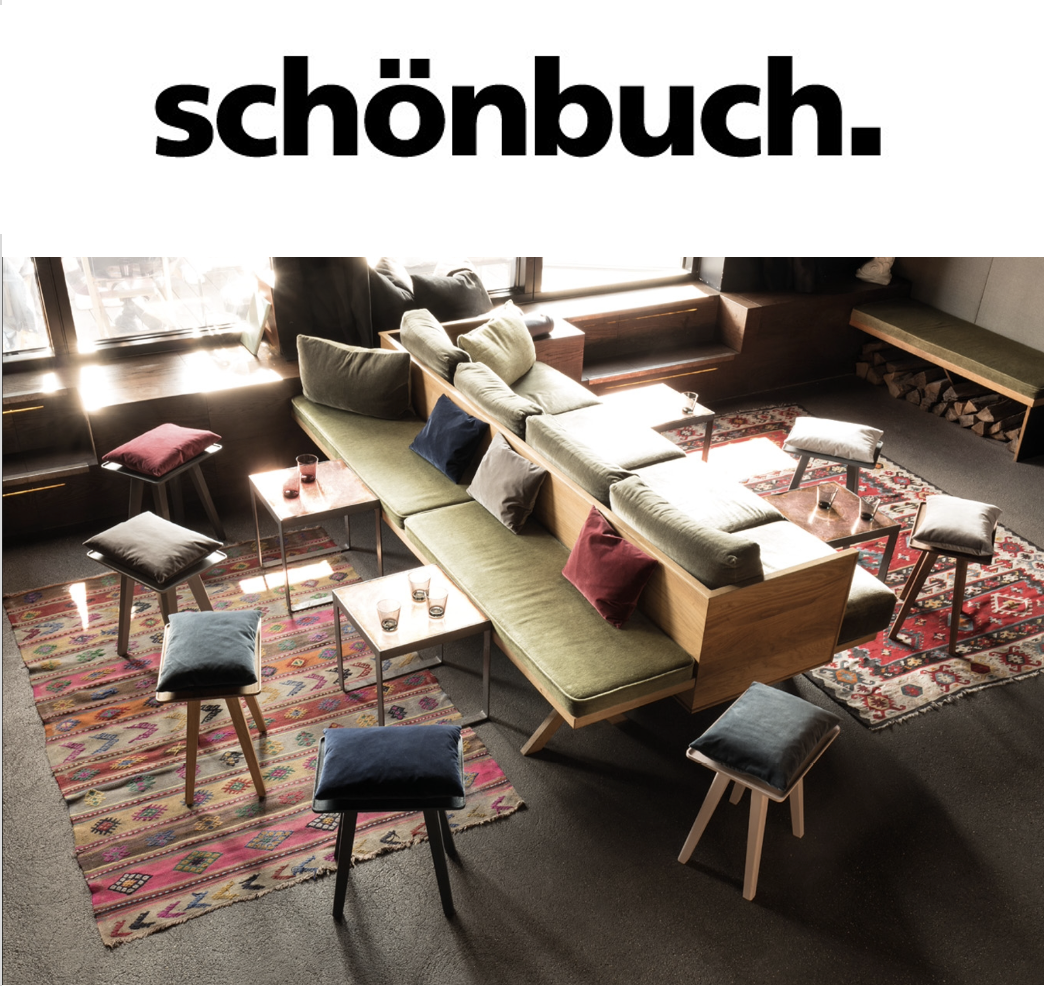
Since 2016 I have been translating product texts, newsletters, designers’ profiles and more for Schönbuch, a German manufacturer of high-quality furniture and accessories.
Translating these product texts requires an awareness of the different metaphors in English and German for describing colour and form. Also, to describe the products correctly, I often refer to photos and sketches to fully grasp both the look and features of the items.
Because we have been collaborating for such a long time, I know the world of Schönbuch inside and out and encapsulate the Schönbuch feel in my translations: pared-back, contemporary, aesthetic, yet practical. Whether text or video, my aim is to translate the character of the brand through my words.
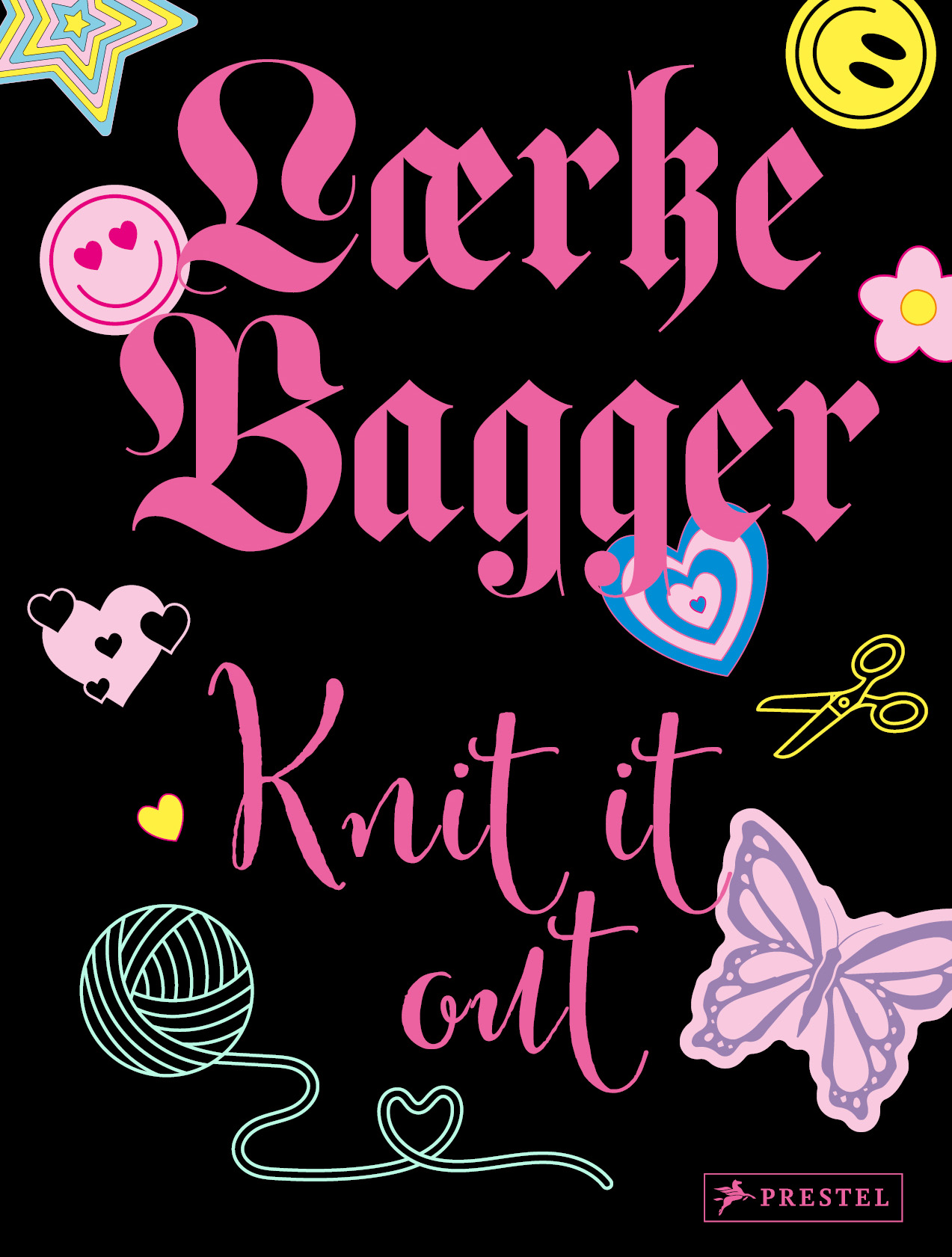
Knitwear designer Lærke Bagger has an unmistakable energy about her: she’s colourful and powerful, yet vulnerable. This book not only presents her latest designs but also tells of her difficult relationship with her estranged father and how she processes her grief through knitting after his death. It reads like a chat with a good friend.
Translating it, I wanted to convey Laerke’s energy and emotions – her grief, her anger, her love – and for my version of her story to be as captivating and emotive as her own. It seems I succeeded, as one reader wrote in her Amazon review:
“I have been devouring this book quickly since the moment I began it, and I truly feel it is the kind of book I will get something new from each time I reread it. This has instantly become a favourite of my collection. Well worth every penny.”
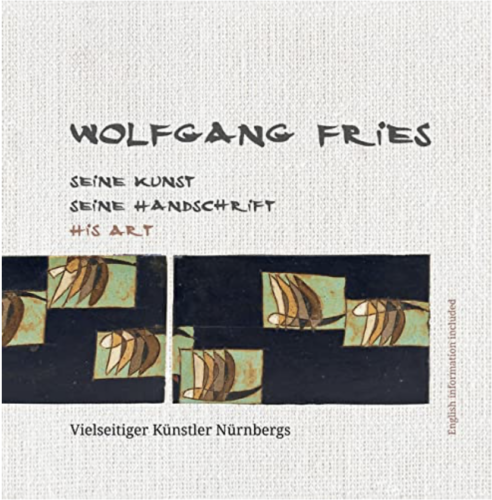
In 2019 I translated into English a book and website by Ilonka Fries and Deva Premal in memory of their father, the artist Wolfgang Fries (1921-2005). Forgotten in the mists of time, Fries’s works range from four stained-glass windows depicting the evangelists for Nuremberg’s iconic Lorenzkirche to classic cookie tins for one of the city’s foremost Lebkuchen bakeries.
Underpinned by his children’s desire to share Fries’s life story and work, this translation project combined the warmth of personal memories with descriptive texts about his works and techniques. A fascinating homage to a forgotten artist, especially for fans of his home city, Nuremberg.
In 2017 I translated the brochure on lichtweiß by Karl-Heinz Einberger & Valentin Godebauer, a white, sculpted artwork whose clear lines and surfaces create a subtle play of light in the newly designed visitors’ access tunnel of Regensburg Prison. The translation project was purely descriptive, the style of the text seeming almost to echo the clarity of the work.
The implications for me as an art translator were twofold: first, spatial intelligence was required to imagine the artwork and setting based on the text and images. Second, every aspect of the work and its effects had to be understood to accurately render the details of the original text in English.
In 2017 I had the privilege of editing the English translation of a fascinating coffee-table book about the beginnings of graphic design in Germany.
My priority with this project was to edit the existing copy and make it as lively and engaging as possible. Adding lightness to a text takes a certain degree of confidence in handling the content. So even though I had the text in front of me, plenty of research was needed to make absolutely sure I had understood not just what was being said, but the point of what was being said.
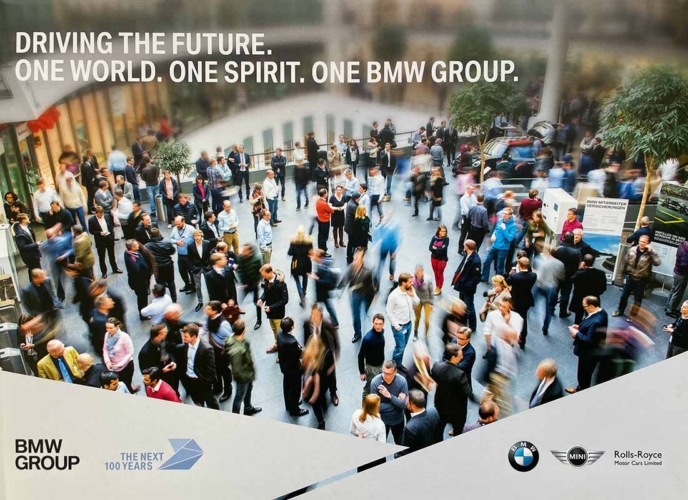
I have been translating for the BMW Group for more than 20 years. My projects include in-house communications and press releases around milestones such as the company centenary, and on topics ranging from social responsibility, sustainability, events and awards to social and cultural engagement.
As a translator, I realise my work plays an important part in representing a global corporation and its brands to the world. Because I have been working for this company for so long, I understand their priorities and philosophy, and consequently the content I am translating. I also understand how my texts slot into the bigger picture.
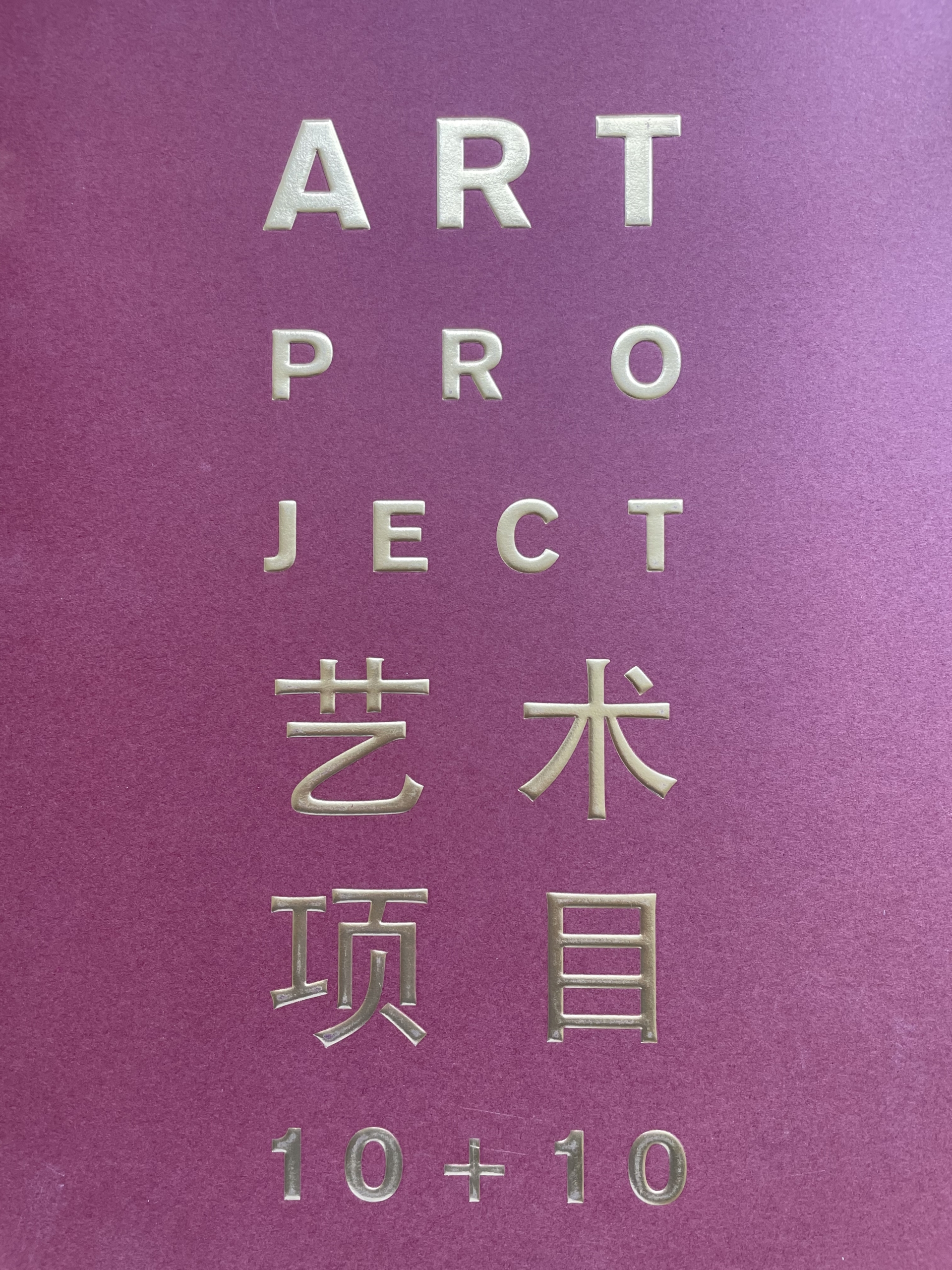
In 2014 I became involved in corporate art management. A Munich-based DAX-listed company had invited upcoming art students to submit proposals for works for permanent display on their plant premises in China. My task was to edit the rough Chinese-to-English translation of the artists’ profiles, CVs, personal statements and proposals to produce polished documentation.
This required the ability to grasp and collate the available information and renderings of artworks to provide a 360° view of the artists and their intentions. The resulting documentation provided the basis for the purchase of the artworks and for a book.
These projects occur on a regular basis, and I am pleased to be involved with them.